Sign in
Sign in to your Starks.Design account.
Building websites is bloody hard. Why?
Is it enough to know a programmer, or do I need more to build a website?
Scrollen zum anschauen
.jpeg)
I need my own website. Where do I start?
What do I need to build a homepage / website?
Well, first you have to know yourself what you actually need. Because building a website isn't that easy at all. You have to be clear about what you represent or want to show. There are several types, for example:
- Homepages
- Magazine websites
- E-commerce websites
- Blogs
- Portfolio websites
- Landing pages
- Social media websites
- Directory and contact pages
Then you should know what content you can fill your website with.
There are several options. Either you use your own images or videos, or you look for "royalty-free" content. There's not only the legal side to consider, but also a lot of the technical side. An e-commerce site is something completely different in structure and content from a blog or portfolio. Let's assume you want to build a landing page for your coffee. So what does a landing page like that actually need?
Build the website yourself or have it built?
Although there are many ways online to build your own website, they're still very limited. From Squarespace to WordPress you read all sorts of things. But unless you're a hardcore coder, these sites don't actually give you much room to manoeuvre technically. The site builders are relatively quick for the average user to put together, but when it comes to design options, or when you want to change something specific, you tend to end up on some forum page where you're left staring at your problem looking for solutions. With a provider like that, what you're really doing is picking a template and then filling it with your content. And most of the time these templates cost a small sum.
So what do you do if you absolutely want plenty of room to manoeuvre? Maybe a programmer?
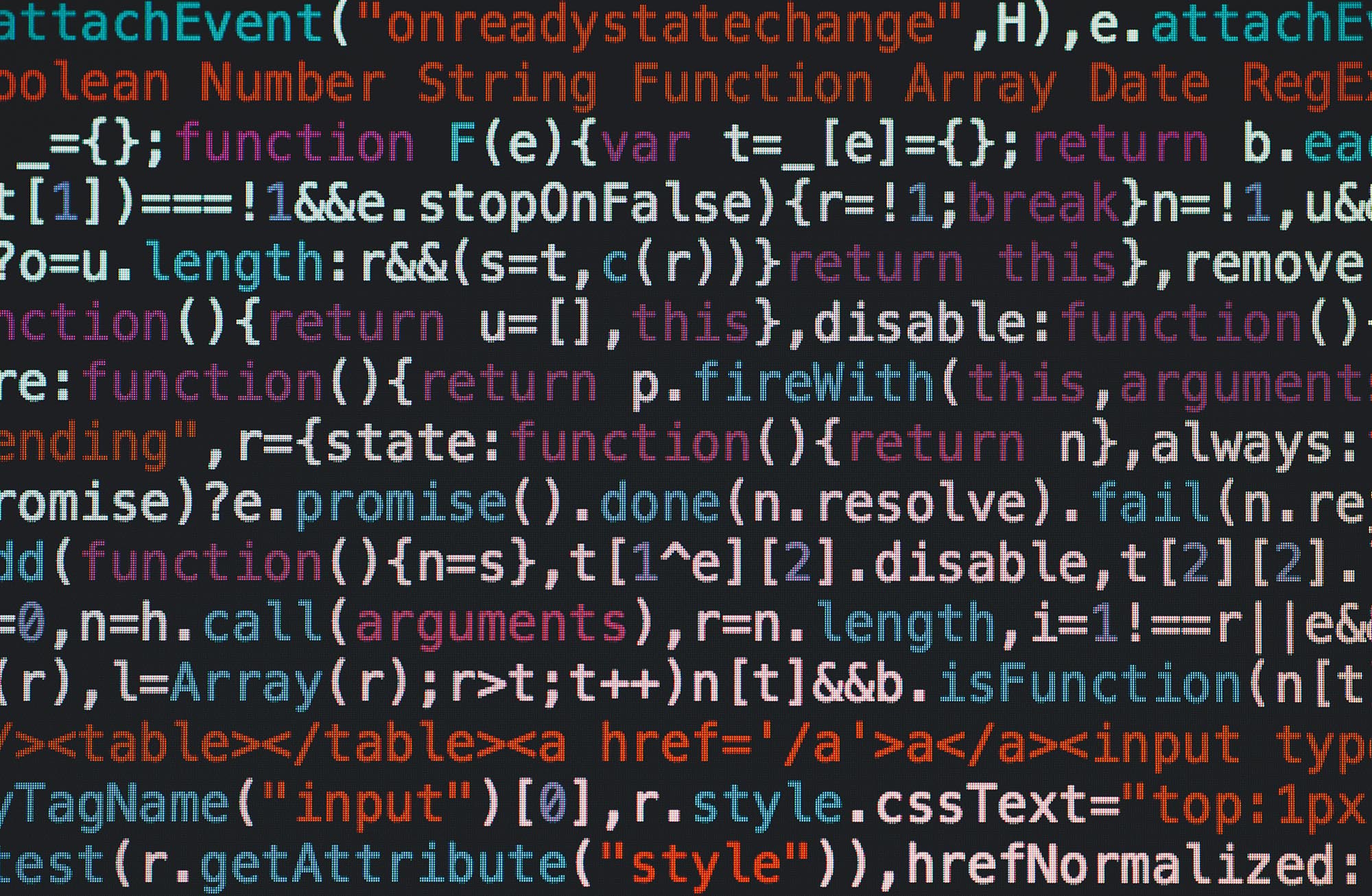
A developer is quite handy for your own website! But they don't come cheap.
They're the rock stars of the 21st century. Programmers are more in demand today than ever. Because, if we're honest, we tend to picture this rare species as a nerd with thick lenses in aviator frames. Rarity aside, more and more young people are choosing this career — because the job has so much to offer these days. There are countless programming languages and directions a programmer can take. Now you just have to find someone who specialises in web development. They should know not only the classic HTML5 and CSS, but also bring specialist JavaScript and API knowledge. And as soon as you've found someone, you quickly realise they don't come cheap. Because programmers know they're in demand, they get themselves well paid. I won't claim it's little work to build a website. On the contrary — it's a lot of work, and a programmer should bring the necessary know-how and understanding for building a website. So now you have a programmer, someone who can build it for you. But can they design too?
Why it's sometimes better to know a designer for your website! Designing a website.
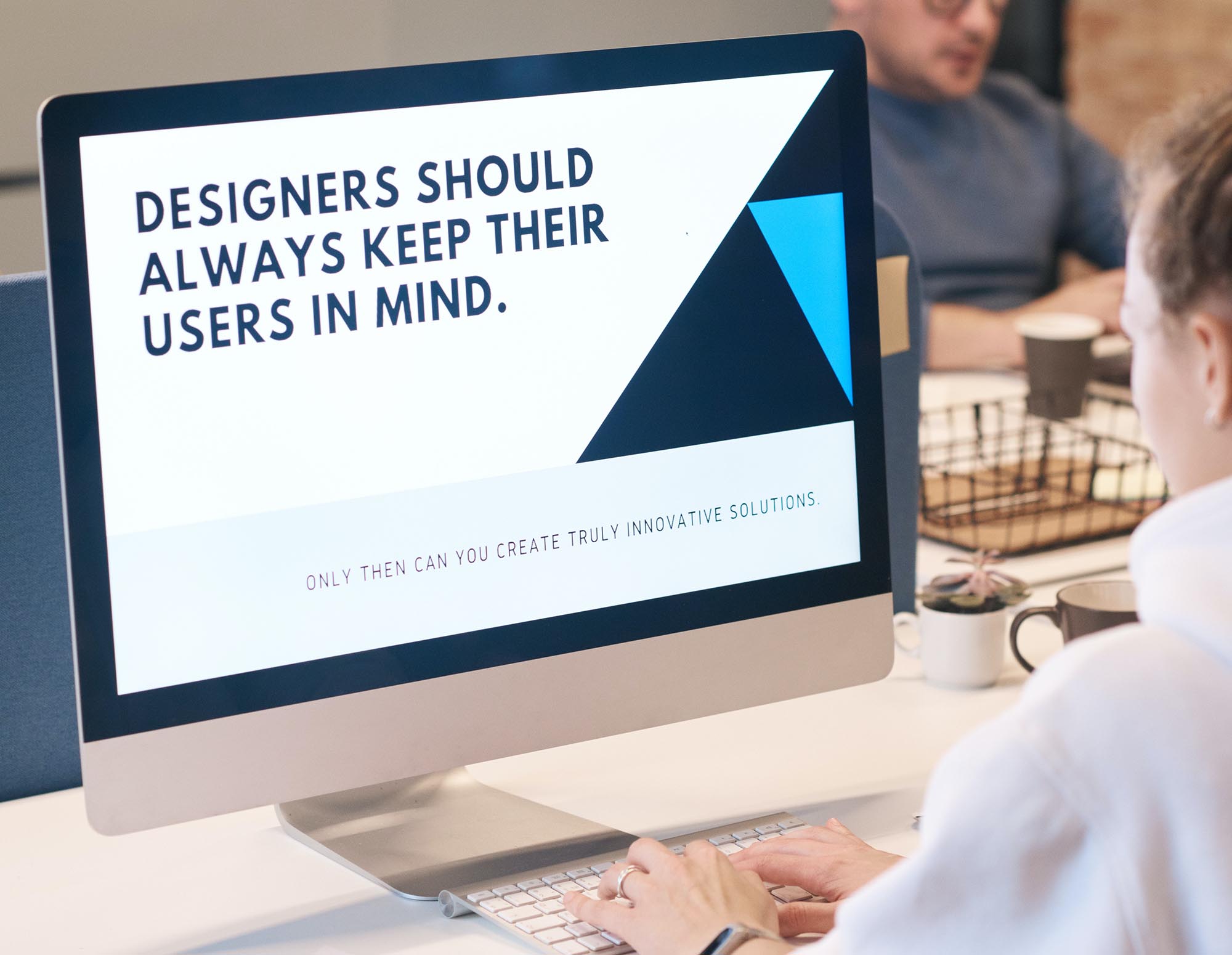
Let's come to the part that has less to do with the technical side. Designing a website! A screen designer or web designer doesn't just make your website look nice, they want to turn it into an experience. That's the word that matters: experience. The jargon "UX/UI designer" means nothing other than "user experience" and "user interface". These days you need that just as much as a programmer — so your customers find it easy to navigate and view your website, without bolting from it. That's why it's always advisable to choose a designer who knows their way around "human-machine interaction". There are no laws when it comes to designing a website, and thankfully tastes differ, but firm "rules" should still be applied. For instance a certain harmonious colour scheme that works well together without being too pushy. Simplified shapes and icons shouldn't be missing from a website either, to give the visitor targeted information. Think of it like a restaurant. If you're in a hurry to get to the loo, you don't want to be searching for long. A pictogram shows you the way. Whether it's the little figure on the toilet door or simply an arrow. The same goes for a website. With classic navigation you can also simplify the "social media" profiles down to their icons without spelling them out. And that's just a small part of the whole. It's like a well-fitting, tailor-made suit. Colours, shapes and content are tuned to one another.
What else you need for a homepage!
There are quite a few more things you need too. For example, a lawyer comes to mind for all the legal matters. GDPR-compliant websites are just as important as the design. Or the web address, which also has to be registered somewhere so people can find you. A copywriter who perhaps reworks your texts to be factually and substantively correct. Or a translator if you're planning a multilingual website. The visual content side shouldn't be ignored either. The photographer and videographer provide the content you need, set in scene. Many building blocks you have to consider to make the website look perfect for you and for the visitor.
How much does it cost to have a website designed or built? The costs, with an example:
It always depends on what you want in the end. You can never really put a flat figure on it. It's like with a joiner. Materials and working time both play a part. It can range from four-figure sums for a single-home or landing page, depending on content and purpose, all the way up to millions for a website. Let's take a restaurant that wants to show the user a fairly simple website with information on opening hours plus images and videos. Maybe the restaurant owner also wants to put their menu online without it being a simply photographed menu card. As an example, let's assume 4 pages. (Landing page - About us - Contact - Menu) Depending on the effort, and on whether the content has to be created by the agency, the price ranges between 7,000 and 25,000 euros. Although every agency sets its own prices.
Shop
Tools, Vorlagen und Workflows aus meiner Praxis.
Digitale Produkte für Designer, Unternehmen und Teams, die schneller zu besseren Markenauftritten, Präsentationen und KI-Workflows kommen wollen.