Sign in
Sign in to your Starks.Design account.
Automotive Photography
Automotive photography — paint, light and line without compromise.
Was die Leistung umfasst
What automotive photography does for your brand
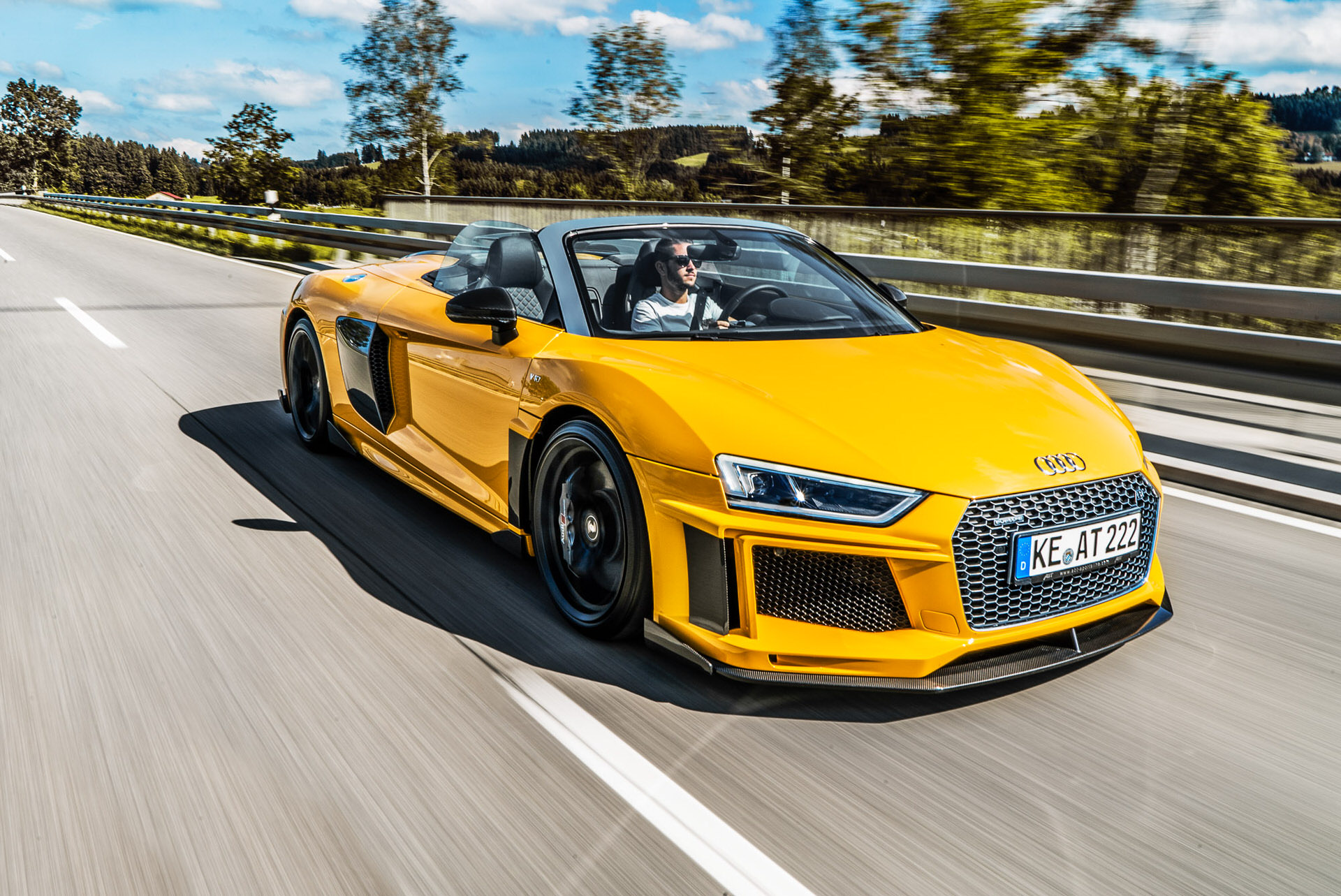
Automotive photography is a craft of its own. Standard product photographers fail at the paint reflections, the read of the lines and the sense of scale. iPhone workshop photos work for a workshop — not for a premium brand. When the vehicle is the hero of the brand, the material needs matching craft quality.
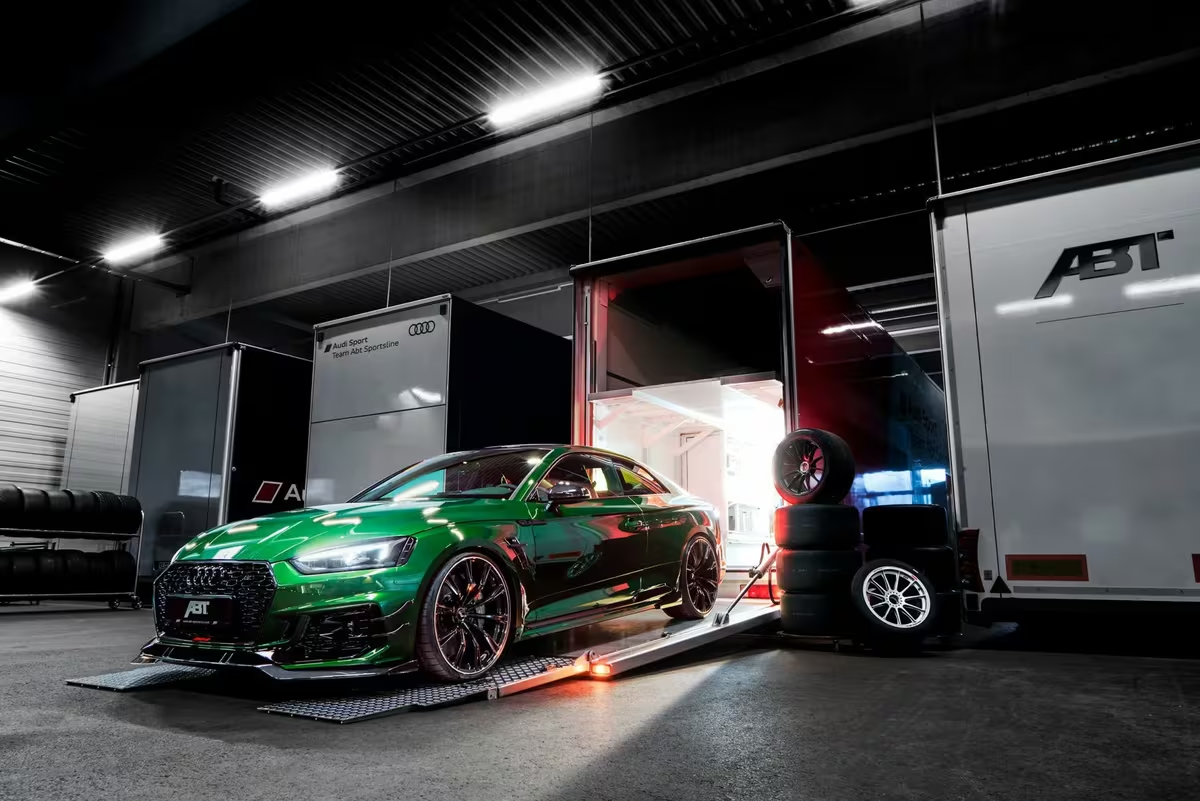
I photograph vehicles with the knowledge of over ten years of automotive work. That means: a lighting setup that makes paint surfaces readable (continuous light with controlled reflection, light tents for high-gloss paint), calibrated backgrounds (studio with an infinity cyclorama, on location for lifestyle), precise camera work for profiles, three-quarter views and detail shots (wheels, interior, brand elements). Plus post-production with specialist treatment (paint saturation, reflection cleaning) and background compositing.
Your vehicle images work on A0 print posters, on showroom screens in 4K and in square social posts. They show the car in its brand context — not generic, not handheld-iPhone, not stock. And they communicate the promise the brand has built: premium, precise, without compromise.
So gehe ich vor
How I approach automotive photography
01 — Concept. Which application (showroom, print, web, social), which mood, which brand feel. Decide the location (studio with cyclorama vs. location vs. dynamic in motion).
02 — Setup. Lighting setup depending on the paint type (metallic, matte, high-gloss, wrap), camera setup depending on the application (full-frame hero, MFT lifestyle). Test shots, correction.
03 — Shoot. Profile, three-quarter front, three-quarter rear, detail shots (wheels, interior, brand emblems, material detail). Lifestyle shots where relevant. Usually 40-60 usable images in a day.
04 — Post-production. Paint optimization, reflection cleaning, background compositing where needed (cleaning for studio, compositing for lifestyle), colour correction to the brand standard, a format set for every application.
Referenz
Hier eine Beispielprojekt von mir

FAQ
Häufig gestellte Fragen
Paintwork has its own light physics. High-gloss paint mirrors its surroundings — fail to control that and you're not photographing a car, you're photographing the studio ceiling. Lines can be controlled through camera position, but only with experience. Standard product photographers come unstuck on reflection, scale context and detail lighting. Vehicle photography needs its own setup and its own experience.
Either is possible, depending on the goal. A studio with an infinity cyclorama for clean showroom and print results. Outdoor for a lifestyle character (architecture, landscape, urban context). Dynamic shots in motion are a discipline of their own — using a tracking vehicle and long exposures. The briefing makes the call: the desired brand feel decides.
Studio with a controlled setup: typically 4-6 hours for 40-60 usable images (profiles, three-quarter views, detail shots). On location takes longer, because location changes and lighting adjustments add up. Preparation (vehicle cleaning, setting up the rig) is usually longer than the shoot itself — plan accordingly.
Everything you need: full-frame RAW for later re-editing, high-res JPGs in the relevant application formats (hero 16:9, print suitable for DIN A0, social cuts), cut-out versions for showroom displays, lifestyle cuts with backgrounds. The colour profile is calibrated to your brand standard, so the images stay consistent throughout.