
Sign in
Sign in to your Starks.Design account.
Product Photography
Product photos that sell without a caption.
Was die Leistung umfasst
What product photography does for you
Bad product photos are more expensive than good ones. They look like stock — flat light, generic background, no sense of brand — and the customer scrolls on. In e-commerce, product photos decide within the first two seconds whether the product even gets clicked. In B2B, they decide whether a sales deck signals substance or template character.
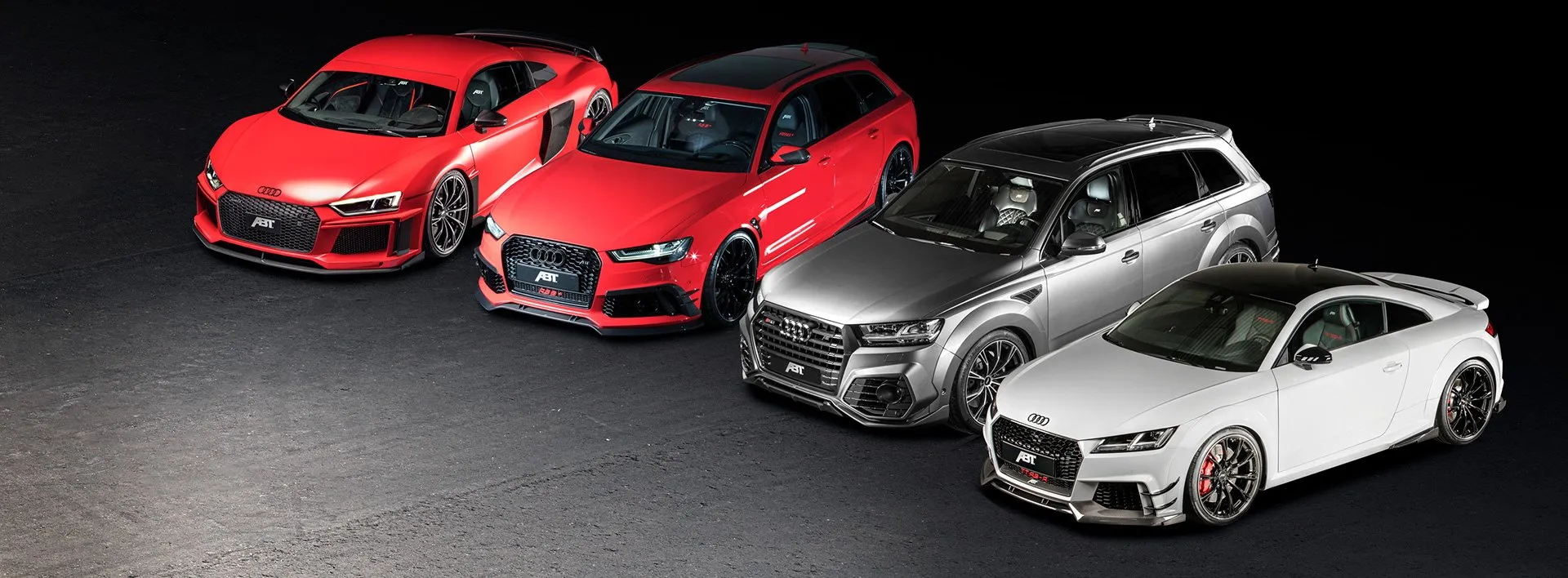
I produce product photography as a brand asset, not as a box to tick. A studio setup tuned to the product (material, gloss, material depth), a lighting concept that brings out the product's qualities (reflections on paint, transparency in glass, texture in fabric), staging that fits the brand. Including cut-out, retouching and adaptation to the different application formats (shop, print, social, sales deck).
Your product photos sell without explanation. They work across platforms (e-commerce listing, print catalogue, press text, social post) without having to be re-retouched every time. And they show the product in its brand context — not as an anonymous object on a white background.
So gehe ich vor
How I approach product photography
01 — Briefing. Which applications are needed, which product qualities have to be visible, which brand feel should come through. Before the studio day, not during it.
02 — Setup. Studio or location setup, lighting design tuned to the material properties. Test shots, correction, sign-off for the main captures.
03 — Shoot. Main shots, detail shots, lifestyle cuts where relevant. Deliberately vary — backgrounds, angles, staging — so one shoot yields several application sets.
04 — Post-production. Cut-out, colour correction, retouching, format versions (square for the shop, 4:5 for social, 16:9 for the hero, print files for print). The delivery set is the range — not „one photo per product".
Referenz
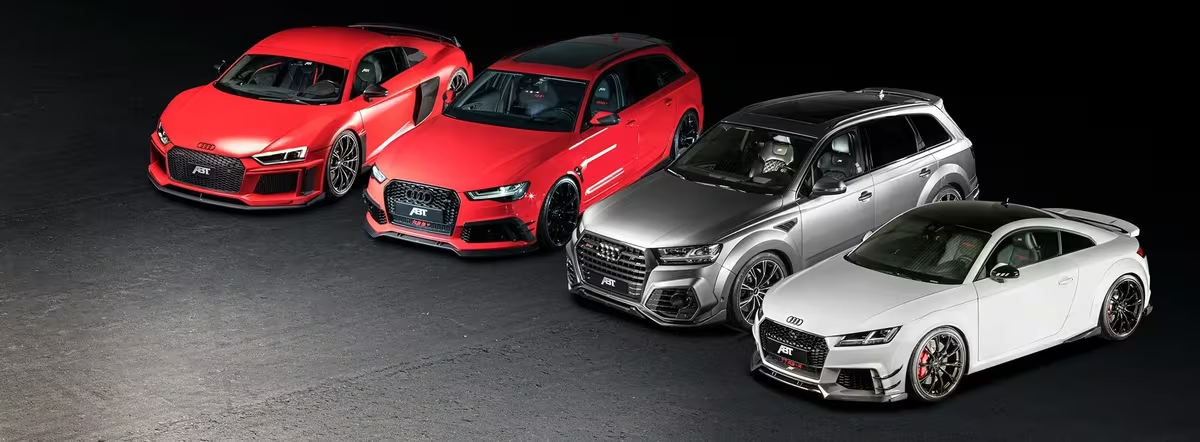
Hier eine Beispielprojekt von mir

FAQ
Häufig gestellte Fragen
For small indie shops, sometimes — if the light is right and the style fits the brand. For serious e-commerce conversion, usually not. Poor product photos cost more than good ones: lower click-through rate, higher bounce rate, weaker conversion. A studio setup with the right lighting is often the difference between "credible" and "homemade".
Either is possible. In the studio I have controlled lighting for small to medium-sized products. On-site makes sense for large or fixed objects (machinery, furniture, vehicles) or when the brand context needs to come from the location itself (workshop, showroom, production floor). We decide after the briefing — the setup effort differs.
It depends on the use. E-commerce listing: a main image plus 4-6 detail shots from different angles. Print catalogue: one hero, several lifestyle cuts, detail plates. Social and web: varied compositions for different platforms. In the briefing we establish which uses need to be covered — that determines the number of shots and variations.
Standard with me. Clipping paths for e-commerce use, colour correction to the brand standard, detail retouching where needed (dust particles, fingerprints, minor material imperfections). The format set comes in the relevant application sizes (square for the shop, 4:5 for social, 16:9 for hero, print data for print). That's part of the delivery, not an add-on.